

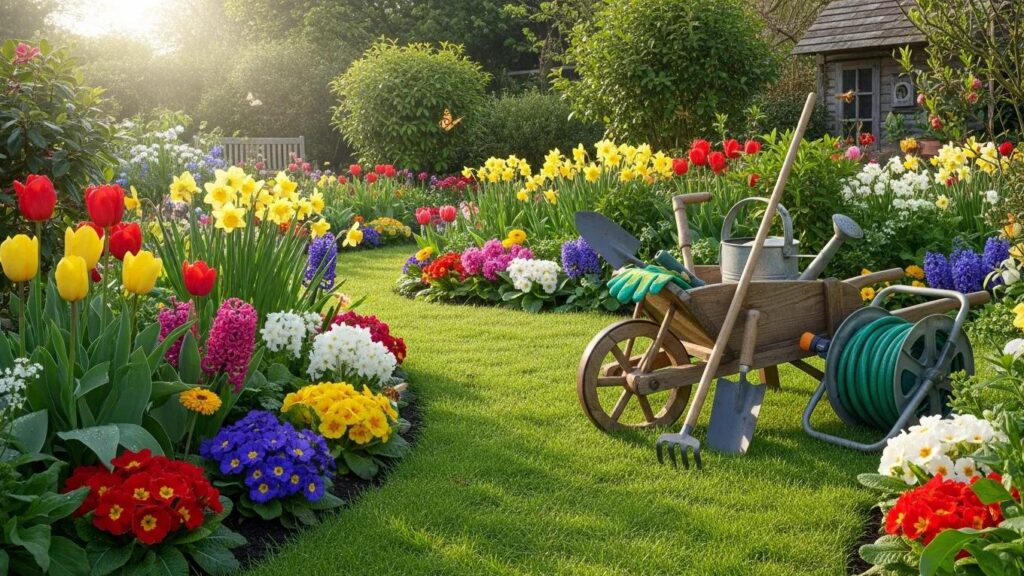
Comprehensive Spring Garden Prep & Planting Guide: Expert Tips for Soil, Cleanup, and Planting Success
By Northwest Landscape Supply, Northwest Landscape Supply
Spring marks the shift from winter dormancy to active growth. At Northwest Landscape Supply, we provide you with practical steps for spring garden prep—soil testing and amendment, bed cleanup, and planting techniques. Follow these foundations and you’ll set your garden up to thrive all season. Common problems—poor soil, debris build-up, and planting mistakes—can limit success; we cover expert fixes and a planting schedule tailored to Seattle, WA’s climate.
Before you begin physical tasks, take time to evaluate site conditions: sunlight exposure, drainage, and microclimates. Mapping sun and shade across the day, noting low spots that hold water, and checking soil texture will help you place crops and beds for the best results. A quick walk-through now saves time and prevents mismatched plantings later in the season.
Spring Garden Preparation and Planting Overview
Preparing your garden for spring means a few focused tasks that pay off all season. Check soil health, clear beds, and plan your planting calendar. Early planning improves plant vigor, increases yield potential, and reduces pest pressure. Invest time now and you’ll create conditions that support healthy, resilient growth.
Use a simple checklist to organize work: test soil, remove winter debris, repair beds and paths, sharpen tools, and order seeds or plants. Break larger projects into manageable weekend tasks so the work is steady rather than overwhelming.
1. Soil Preparation:
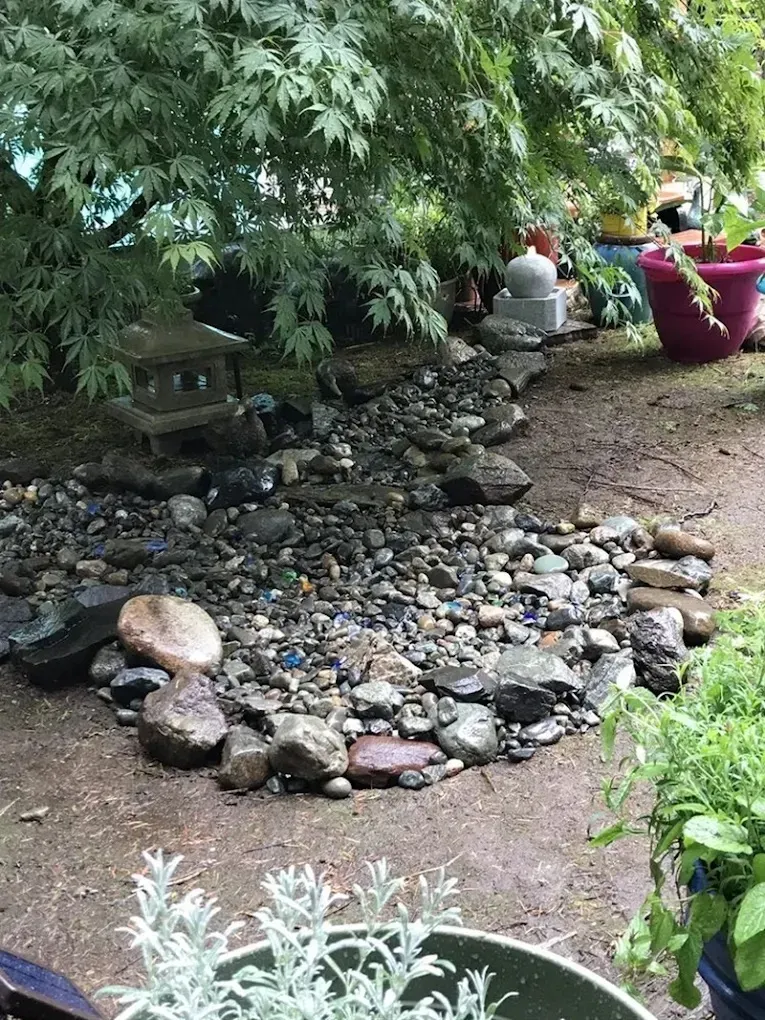
Soil preparation is the foundation for healthy plants. It starts with testing and adding the right amendments so soil holds nutrients, supports roots, and manages moisture. Well-prepared soil improves root development and plant productivity.
Assess soil texture by feeling it: a good garden soil will crumble between your fingers and drain but still hold moisture. If soil is heavy and sticky when wet, prioritize organic matter to improve structure. If it is very loose and sandy, focus on materials that increase water- and nutrient-holding capacity.
How do you prepare garden soil for spring planting?
Start by testing soil pH and nutrient levels with a home kit or by sending a sample to your local extension. Amend based on results—compost for organic matter, lime or sulfur to adjust pH. Work amendments into the top 6–12 inches to improve aeration and drainage. These steps strengthen soil structure and support healthy root growth.
When working beds, avoid tilling overly wet soil; working soil at the wrong moisture level can compact it and damage structure. If beds are compacted from foot traffic, use a garden fork to lift and loosen without turning the entire soil profile. Leave soil surfaces rough rather than over-fine to encourage earthworm activity and surface drainage.
Applying organic amendments in early spring boosts soil health and nutrient availability, which we at Northwest Landscape Supply highly recommend for your garden’s success.
What are the best soil testing and amendment techniques?
Collect samples from several spots to get a representative result. Use a clean tool to dig 6–8 inches, mix samples in a clean container, and submit or test. For amendments, choose compost, well-rotted manure, or targeted fertilizers based on your report. Work amendments evenly into the soil and retest periodically to maintain balance.
After receiving results, prioritize corrections: address pH and major nutrient deficiencies first, then improve organic matter and structure. Keep a simple garden log of test dates and amendments to track long-term changes and avoid over-application of any single input.
Which organic fertilizers and soil conditioners improve garden health?
Organic fertilizers and conditioners strengthen soil life and plant growth. Effective choices supply nutrients, improve texture, and feed beneficial microbes—key factors for a productive garden.
Think of amendments as complementary: some supply a broad base of organic matter while others fill targeted nutrient gaps. Rotate and diversify inputs over seasons to maintain a balanced soil biology and reduce reliance on any single source.
At Northwest Landscape Supply, we recommend these organic inputs to support plant health and promote sustainable gardening practices:
- Compost: Enriches soil with nutrients and improves structure.
- Bone Meal: Provides phosphorus for root development and flowering.
- Fish Emulsion: A quick-release nitrogen source that promotes leafy growth.
For practical application, spread organic matter evenly across beds and lightly incorporate it. Over time this builds a living, resilient soil that reduces the need for frequent corrective treatments.
2. Garden Cleanup:
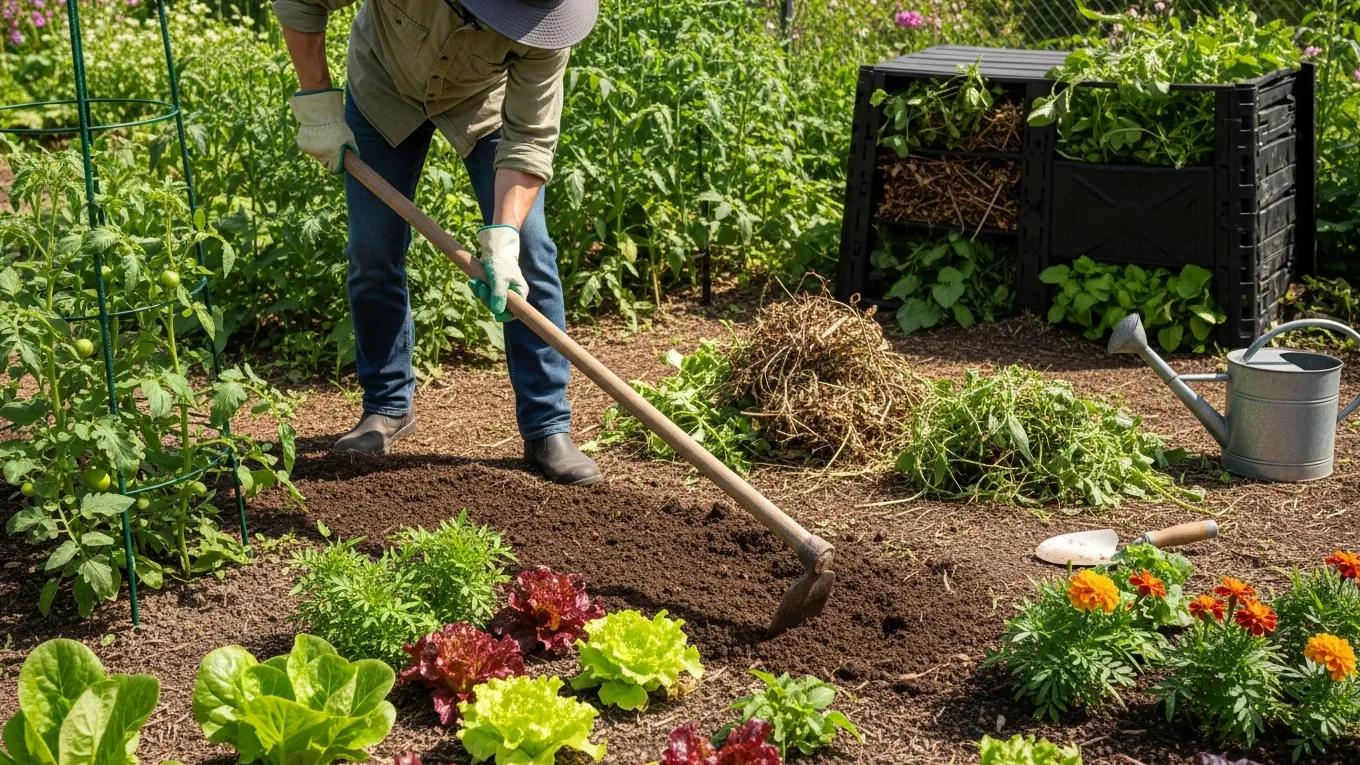
Cleaning garden beds clears the way for new growth. Removing dead material and weeds reduces pest and disease habitats and improves airflow and light—both essential for healthy plants.
Plan cleanup in stages: remove obvious debris first, then focus on hidden areas such as edges, under shrubs, and between crowns of perennials. Cleaning gradually also makes it easier to spot overwintering pests.
What are the essential steps for effective garden bed cleanup in spring?
Garden bed cleanup includes these essential steps:
- Remove Debris: Clear leaves, branches, and dead plants to cut pest hiding spots.
- Weed Control: Hand-pull or hoe weeds, removing roots to prevent regrowth.
- Soil Loosening: Use a garden fork or tiller to loosen compacted soil and prepare beds for planting.
Following these steps gives you a clean slate for spring planting and improves overall garden health.
How to remove debris and prepare beds for planting?
Gather loose material and dispose of or compost it. For larger branches, use a chipper or add them to the wood pile if appropriate. Once cleared, break up compacted zones with a garden fork or tiller to improve drainage and root penetration before planting.
If you find diseased plants or heavy pest damage, remove and dispose of those materials rather than composting them on-site. Clean tools between beds to avoid spreading pathogens, and consider sanitizing pruners when moving from an infected area to a healthy one.
Which mulch and crushed rock products support garden cleanup?
Mulch and crushed rock speed cleanup and tidy up beds. Recommended materials include:
- Bark Mulch: Suppresses weeds and retains moisture.
- Wood Chips: Offer a natural look and improve soil as they break down.
- Crushed Rock: Suited to paths and borders; helps with drainage and reduces erosion.
Using these materials helps with maintenance and improves the look of your garden beds.
When choosing a mulch, avoid piling it against stems and trunks to reduce risk of rot. For paths, pair crushed rock with a stable base and consider edging to keep materials in place. Where aesthetics matter, combine mulch types to create contrast and structure in the landscape.
3. Successful Planting Strategies:
Planting with the right timing, varieties, and technique gives you the best chance of a strong harvest. Plan around frost dates, plant needs, and spacing to maximize results.
Think ahead about succession planting and spacing so you can get multiple harvests from the same bed. Plan where taller crops will sit relative to lower-growing vegetables to avoid unwanted shading.
How do you create a spring planting schedule tailored to Seattle, WA’s climate?
Plan by local frost dates—Seattle’s last frost is usually early to mid-April. Start cool-season crops like peas and lettuce early, then plant warm-season crops such as tomatoes and peppers after the last frost. Use local planting calendars to time each crop for best performance.
Also consider microclimates on your property: sheltered corners, south-facing walls, and raised beds warm more quickly and may allow earlier planting. Keep a notebook or digital calendar with sowing and transplant dates to refine timing year to year.
Knowing your local climate and grouping vegetables by temperature tolerance helps determine the best planting windows.
What is the optimal timing for vegetable and flower planting?
Timing depends on the crop. For example:
- Cool-Season Vegetables: Plant in early spring (March–April) for spinach and radishes.
- Warm-Season Vegetables: Wait until after the last frost (May) for cucumbers and squash.
- Flowers: Plant annuals after the last frost; perennials can go in early spring or fall.
Planting within these windows helps your plants establish and produce well.
For seed starting, use clean trays, a light seed mix, and consistent moisture. Harden off seedlings by gradually exposing them to outdoor conditions over several days before transplanting to reduce shock.
How to use planting calendars and charts for local success?
Planting calendars and charts show best dates based on local frost data and seasonal shifts. Use resources from your local extension or trusted gardening sites with regional calendars. Follow those timings to optimize germination, growth, and harvest windows.
Pair calendars with observation: soil temperature, nighttime lows, and local weather trends are practical guides. Adjust dates slightly from year to year based on how each season behaves in your yard.
Expert Tips:
Beyond the basics, apply these expert practices to keep your garden performing well:
- Regular Maintenance: Consistent watering, weeding, and pest checks maintain plant health.
- Tool Preparation: Keep tools clean and sharp to make tasks faster and safer.
- Pest Management: Use integrated pest management to control pests while protecting beneficial insects.
These routines help you sustain a productive garden through the growing season.
Include quick weekly checks into your routine: look under leaves, inspect stems, and note anything out of the ordinary. Small problems caught early are much easier to manage than established infestations or nutrient stress.
What are the top vegetable and flower choices for spring?
Pick varieties suited to cool spring conditions and local soils. Top spring choices include:
- Vegetables: Lettuce, spinach, radishes, and peas for cool-season planting.
- Flowers: Pansies, snapdragons, and marigolds provide early color and attract pollinators.
Choosing plants that match your climate and soil will improve both yield and appearance.
Mix quick-maturing crops with longer-season plants to maintain a steady harvest. Include a diversity of plant types to spread risk from pests and weather.
How does companion planting enhance garden productivity?
Companion planting pairs species that benefit each other—deterring pests, improving growth, or enhancing flavor. For example, marigolds can help repel certain pests and basil planted near tomatoes may improve flavor. Use these combinations to make the most of your space and build a healthier garden ecosystem.
Companion planting is also useful for space optimization: tall, sun-loving plants can provide afternoon shade for lower, shade-tolerant crops. Try small test beds to see what combinations work best in your garden before scaling up.
How can mulching and rock materials improve spring garden health and appearance?
Mulch and rock materials deliver both function and form. Mulch conserves moisture, suppresses weeds, and breaks down to feed soil. Crushed rock creates neat paths and borders, improves drainage, and reduces erosion. Together they make the garden more sustainable and attractive.
Apply mulch to maintain even soil moisture and moderate temperature swings. For paths, crushed rock reduces mud and provides durable access while allowing water to infiltrate when correctly installed.
What are the benefits of organic mulch for moisture and weed control?
Organic mulch provides clear benefits:
- Moisture Retention: Keeps soil evenly moist and cuts watering needs.
- Weed Suppression: Blocks light to inhibit weed growth and smother existing weeds.
- Soil Health Improvement: Decomposes to add nutrients and improve fertility.
Using organic mulch is a practical, sustainable way to support soil and plant health.
Renew mulch each season where it has decomposed significantly. Avoid putting mulch too close to crowns and trunks; leave a small clear ring at the base of plants to prevent moisture-related issues.
How to select and apply decorative crushed rock in garden beds?
When choosing crushed rock, consider these factors:
- Type of Rock: Pick a color and size that complements your garden design.
- Application Depth: Lay 2–3 inches to suppress weeds and aid drainage.
- Maintenance: Check for displacement and top up as needed to maintain appearance and function.
Right selection and application of crushed rock improve both the look and performance of your beds.
Combine rock with planting zones suited to drier conditions: rock paths near perennial beds reduce maintenance and create crisp visual lines. Where roots are shallow, minimize heavy machinery to avoid compaction.
What are effective pest management strategies for spring gardens?
Effective pest management combines early detection and multiple controls:
- Regular Monitoring: Inspect plants often for pest or disease signs.
- Natural Controls: Encourage beneficial insects like ladybugs to reduce aphids.
- Cultural Practices: Rotate crops and keep soil healthy to lower pest pressure.
Using these strategies protects plants and supports a balanced garden ecosystem.
Document pest sightings and responses so you can track recurring issues. Over time you will learn seasonal patterns and effective local tactics that minimize chemical interventions.
Which natural and chemical controls protect young plants?
Protect seedlings with a mix of approaches:
- Natural Controls: Apply neem oil or insecticidal soap to deter pests while preserving beneficials.
- Chemical Controls: If needed, choose targeted pesticides labeled safe for young plants and follow instructions carefully.
- Preventive Measures: Use row covers or barriers to shield seedlings from pests.
Combining natural and targeted chemical controls helps safeguard young plants while limiting environmental impact.
When choosing any treatment, read labels for crop-specific guidance and observe withholding periods for edible crops. Start with the least disruptive option and escalate only if monitoring shows it is necessary.
How to monitor and prevent common spring garden pests?
Monitoring and prevention tactics include:
- Regular Scouting: Check plants weekly for holes, discoloration, or insects.
- Preventive Measures: Use companion planting and physical barriers to keep pests at bay.
- Effective Monitoring Tools: Deploy sticky or pheromone traps to identify and catch pests early.
These practices keep you ahead of pest problems and preserve plant health.
Keep a simple log of observations and any control measures you take. Over several seasons this record helps you refine timing and methods to prevent serious outbreaks.
How do Northwest Landscape Supply products support your spring garden projects?
At Northwest Landscape Supply, we stock materials that support spring projects—soil amendments, decorative mulches, and crushed rock. Using a local supplier gives you reliable access to quality materials and supports sustainable, community-based gardening efforts.
Buying bulk materials locally reduces transport costs and lets you inspect product quality before purchase. Ask us about delivery options, recommended mixes for soil blends, and whether materials are screened or composted to suit vegetable beds versus ornamental areas.
What sustainable gardening practices enhance spring garden success?
Sustainable practices build long-term soil and ecosystem health:
- Native Plant Selection: Choose species adapted to local climate and soils.
- Water-Saving Systems: Install drip irrigation or capture rainwater to conserve water.
- Composting Benefits: Compost kitchen scraps and yard waste to return nutrients to the soil.
Adopting these methods helps you create a resilient garden that benefits both you and the environment.
Also consider adding pollinator-friendly plants and minimizing lawn areas to create more diverse, low-input plantings that support wildlife and reduce maintenance time.
How to incorporate organic amendments and water-efficient planting?
Add compost or well-rotted manure to improve soil fertility. Choose drought-tolerant plants and use mulch to retain moisture. These steps boost soil health and reduce water needs for a more sustainable garden.
Group plants by water needs—water-loving, moderate, and drought-tolerant—to make irrigation more efficient. Water deeply and infrequently to encourage strong root systems rather than frequent shallow watering.
What are the latest trends in eco-friendly garden preparation?
Eco-friendly garden prep focuses on resilience and resource efficiency. Current trends include:
- Water-Wise Strategies: Rain gardens and xeriscaping cut irrigation demand.
- Soil Health Focus: Cover crops and organic amendments improve structure and fertility.
- Climate-Adaptive Planting: Select plants suited to shifting conditions for long-term success.
These trends reflect a stronger focus on sustainability and long-term garden viability.
Design trends also favor multifunctional landscapes—edible perennials, native pollinator corridors, and hardscape that captures runoff—so yards perform ecologically while providing beauty and productivity.
Get Started with Northwest Landscape Supply Today
Good spring prep—soil management, thorough cleanup, and smart planting—sets the stage for a productive season. At Northwest Landscape Supply, we are here to help you improve garden health and create a sustainable space that supports biodiversity. Explore our range of quality gardening supplies and resources to take the next step. Start cultivating your dream garden today with our expert guidance and trusted products.