

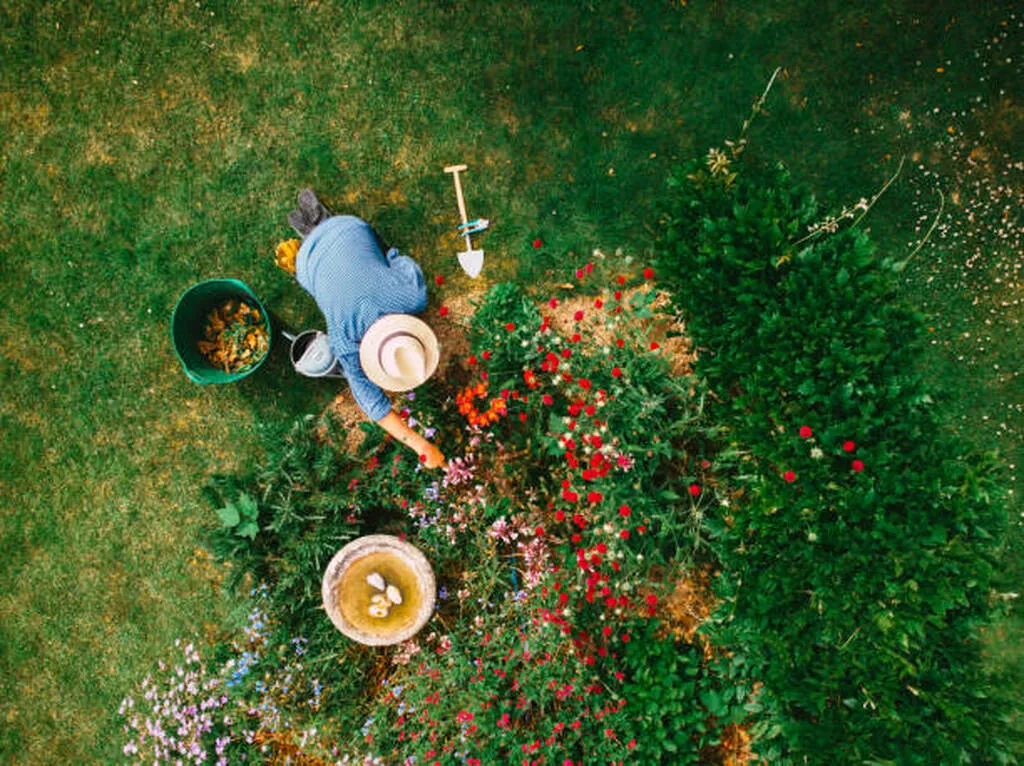
Eco-Friendly Sustainable Landscaping for Your Home: How to Create a Water-Wise, Native Plant Garden in San Diego
Creating an eco-friendly garden is not just a trend; it’s a necessity in today’s climate-conscious world. This guide will explore the principles of sustainable landscaping, focusing on how to create a water-wise, native plant garden specifically tailored for San Diego’s unique environment. Readers will learn about the benefits of using drought-tolerant plants, efficient irrigation systems, and organic practices that support eco-friendly landscaping. Many homeowners struggle with high water bills and the challenge of maintaining a lush garden in a dry climate. By implementing sustainable landscaping techniques, you can reduce water usage while enhancing the beauty and biodiversity of your outdoor space. This article will cover key principles of sustainable landscaping, the best native plants for your garden, efficient irrigation systems, organic practices, and how to implement these strategies with professional support.
What Are the Key Principles of Sustainable Landscaping in San Diego?
Sustainable landscaping in San Diego revolves around several key principles aimed at conserving resources and enhancing the local ecosystem. These principles include the use of native plants, efficient water management, and minimizing chemical inputs. By focusing on these aspects, homeowners can create gardens that are not only beautiful but also environmentally responsible. The importance of water conservation cannot be overstated, especially in a region prone to drought. Utilizing native plants that are adapted to the local climate reduces the need for excessive watering and maintenance, making gardens more resilient and sustainable.
How Does Xeriscape Design Promote Water Conservation?
Xeriscape design is a landscaping approach that emphasizes water conservation through the use of drought-tolerant plants and efficient irrigation techniques. This method involves grouping plants with similar water needs together and using mulch to retain soil moisture. By implementing xeriscaping, homeowners can significantly reduce their water consumption while still enjoying a vibrant garden. For example, incorporating bark chips in home landscaping can create a visually appealing landscape that thrives on minimal water.
Research further supports the dual benefits of xeriscape design, highlighting its impact on both water and energy consumption.
Xeriscape Water & Energy Savings for Homes
Data derived from computer simulations using three full-sized landscapes around identical buildings in Phoenix and Tucson indicated that these “zeroscapes” were uneconomical compared with “xeriscapes,” which use low-water-use plants located for summer shade. Projected total energy-water savings for the xeriscapes ranged from $117 to $124 (15 to 22 percent) in Phoenix and $38 to $59 (8 to 15 percent) in Tucson, compared with the zeroscapes.
Modeling residential landscape water and energy use to evaluate water conservation policies, EG McPherson, 1990
What Are the Benefits of Using Drought-Tolerant Plants for Homeowners?
Drought-tolerant plants offer numerous benefits for homeowners looking to create sustainable gardens. These plants require less water, which translates to lower water bills and reduced maintenance efforts. Additionally, many drought-tolerant species are native to California, meaning they are well-suited to the local climate and soil conditions. This adaptability leads to healthier plants that are less susceptible to pests and diseases. Furthermore, using these plants contributes to the preservation of local biodiversity by providing habitats for native wildlife.
Which California Native Plants Are Best for Eco-Friendly Garden Design?
When designing an eco-friendly garden, selecting the right native plants is crucial. California boasts a diverse array of native species that are not only beautiful but also beneficial for the environment. These plants are adapted to the local climate, making them resilient and low-maintenance options for homeowners.
The value of selecting appropriate native plants for sustainable landscaping is widely recognized, with comprehensive resources available to guide homeowners and professionals alike.
Water-Wise Native Plants for Sustainable Landscaping
This comprehensive volume provides specific information about shrubs, trees, grasses, forbs, and cacti that are native to most states in the Intermountain West, and that can be used in landscaping to conserve water, reflect and preserve the region’s landscape character, and help protect its ecological integrity. The book is an invaluable guide for the professional landscaper, horticulturist, and others in the Intermountain nursery industry, as well as for the student, general reader, gardener, and homeowner.
Water wise: Native plants for intermountain landscapes, R Kjelgren, 2003
How Do Native Plants Support Local Pollinators and Biodiversity?
Native plants play a vital role in supporting local pollinators and enhancing biodiversity. They provide essential food sources and habitats for various species, including bees, butterflies, and birds. By incorporating native plants into your garden, you can create a thriving ecosystem that promotes pollination and supports wildlife. For instance, California lilac (Ceanothus) and California poppy (Eschscholzia californica) are excellent choices that attract pollinators while adding vibrant color to your landscape.
Extensive research in California cities further demonstrates the crucial role native plants play in attracting and supporting diverse bee populations in urban environments.
California Native Plants & Urban Bee Diversity
Bees visit native and non-native plant species for pollen and nectar resources in urban, agricultural, and wildland environments. Results of an extensive survey of bee-flower collection records from 10 California cities from 2005-2011 were used to examine host-plant records of native and non-native ornamental plants to diverse native and non-native bee species; five cities were from northern California and five were from southern California. A total of 7,659 bees and their floral host plants were examined.
Native and non-native plants attract diverse bees to urban gardens in California, 2019
What Are Top Native Plant Species Suitable for San Diego Homes?
Several native plant species are particularly well-suited for San Diego gardens. Here are some top choices:
- California Lilac (Ceanothus): This evergreen shrub produces stunning blue flowers and is highly drought-tolerant.
- Desert Willow (Chilopsis linearis): A small tree that offers beautiful trumpet-shaped flowers and attracts hummingbirds.
- California Poppy (Eschscholzia californica): The state flower, known for its bright orange blooms, thrives in dry conditions.
These plants not only enhance the aesthetic appeal of your garden but also contribute to the local ecosystem’s health.
How Can Efficient Irrigation Systems Enhance Water-Wise Landscaping?
Efficient irrigation systems are essential for promoting water-wise landscaping. By utilizing modern technologies, homeowners can significantly reduce water waste while ensuring their gardens receive the necessary hydration.
What Are the Advantages of Drip Irrigation and Smart Controllers?
Drip irrigation systems deliver water directly to the plant roots, minimizing evaporation and runoff. This targeted approach ensures that plants receive the right amount of water without excess waste. Additionally, smart controllers can adjust watering schedules based on weather conditions and soil moisture sensors, further enhancing water efficiency. By implementing these systems, homeowners can achieve substantial water savings while maintaining a healthy garden.
How Does Rainwater Harvesting Integrate into Sustainable Garden Practices?
Rainwater harvesting is an effective method for supplementing irrigation needs in sustainable gardening. By collecting rainwater from roofs and directing it to storage tanks, homeowners can utilize this resource for watering their gardens. This practice not only reduces reliance on municipal water supplies but also helps manage stormwater runoff, contributing to a healthier local ecosystem. Implementing rain barrels or cisterns can be a simple yet impactful way to enhance your garden’s sustainability.
What Organic and Low-Maintenance Practices Support Eco-Friendly Landscaping?
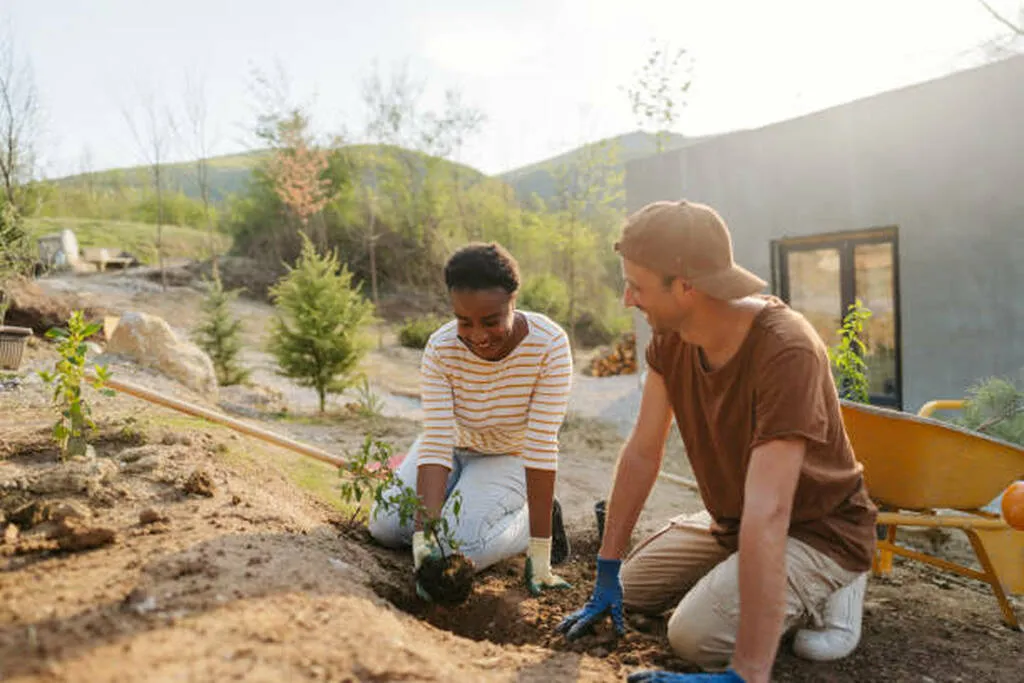
Incorporating organic and low-maintenance practices into your landscaping routine can significantly enhance the health of your garden while minimizing environmental impact. These practices focus on natural methods that promote soil health and reduce the need for chemical inputs.
How Do Organic Soil Amendments and Composting Improve Garden Health?
Organic soil amendments, such as compost, enrich the soil with essential nutrients and improve its structure. Composting kitchen scraps and yard waste not only reduces landfill contributions but also creates a valuable resource for your garden. By enhancing soil health, plants can thrive with less water and fewer fertilizers, leading to a more sustainable gardening approach.
What Natural Pest Control and Weed Management Techniques Are Effective?
Natural pest control methods, such as introducing beneficial insects and using organic repellents, can effectively manage pests without harmful chemicals. Additionally, employing techniques like mulching and hand-weeding can help control weeds while promoting soil health. These practices contribute to a healthier garden ecosystem and reduce the need for synthetic herbicides.
How Does Sustainable Landscape Design Contribute to Home Energy Efficiency?
Sustainable landscape design not only enhances the beauty of your home but also contributes to energy efficiency. By strategically planning your garden, you can reduce heating and cooling costs throughout the year.
How Can Strategic Tree Placement Reduce Heating and Cooling Costs?
Strategically placing trees around your home can provide shade during the hot summer months, reducing the need for air conditioning. In winter, deciduous trees can allow sunlight to warm your home, decreasing heating costs. This thoughtful approach to landscaping can lead to significant energy savings and a more comfortable living environment.
What Eco-Friendly Materials Are Recommended for Hardscaping?
When it comes to hardscaping, choosing eco-friendly materials is essential for sustainable landscaping. Options such as permeable pavers, recycled concrete, and sustainably sourced wood can minimize environmental impact while enhancing the aesthetic appeal of your outdoor space. These materials not only reduce runoff but also contribute to a more sustainable landscape design.
How Can Homeowners Implement Sustainable Landscaping with Professional Support?
Implementing sustainable landscaping practices can be a complex process, and seeking professional support can make it easier. Professionals can provide valuable insights and expertise to help homeowners create eco-friendly gardens that meet their specific needs.
What Services Does Northwest Landscape Supply Offer for Sustainable Gardens?
Northwest Landscape Supply offers a range of services tailored to sustainable gardening. These include consultations on native plant selection, installation of efficient irrigation systems, and guidance on organic gardening practices. By leveraging their expertise, homeowners can create beautiful, sustainable landscapes that thrive in San Diego’s climate.
How Can Homeowners Calculate Water Savings and Environmental Impact?
Homeowners can utilize various tools and resources to calculate their water savings and environmental impact. Online calculators and local water agency resources can provide insights into how sustainable practices can reduce water usage and enhance garden health. Understanding these metrics can help homeowners make informed decisions about their landscaping choices and track their progress toward sustainability goals.
| Irrigation System | Efficiency | Water Savings | Ideal Use |
|---|---|---|---|
| Drip Irrigation | High | Up to 60% | Flower beds, vegetable gardens |
| Smart Controllers | High | Up to 30% | Lawns, mixed plantings |
| Rainwater Harvesting | Variable | Variable | All garden types |
In conclusion, adopting eco-friendly sustainable landscaping practices is essential for homeowners in San Diego. By understanding the principles of sustainable gardening, selecting appropriate native plants, implementing efficient irrigation systems, and utilizing organic practices, you can create a beautiful and environmentally responsible garden. With the support of professionals like Northwest Landscape Supply, transforming your outdoor space into a water-wise, native plant garden is not only achievable but also rewarding.