Enhance Your Landscape with Decorative Rock & Stone: Complete Guide to Selection, Installation, and Delivery
Decorative rock and stone add both style and function to your landscape. At Northwest Landscape Supply, we provide this guide to help you understand the types of rock suited to Seattle, WA, how to choose materials, and the installation process. Homeowners often struggle to pick options that look good and hold up to local weather. Understanding each material’s traits helps you make smart choices. We cover top rock types, installation tips, maintenance, and delivery options in the Seattle, WA area.
Beyond curb appeal, stone and gravel play practical roles: defining paths, improving drainage, reducing mowing and watering needs, and providing low-maintenance groundcover. This article is organized to help you evaluate materials, plan installations, work with our team, and maintain finished features so your landscape stays attractive and functional through seasonal changes common to the Pacific Northwest.
What Are the Best Types of Decorative Rock for Seattle, WA Landscapes?
Consider Seattle, WA’s climate and the look you want. The top decorative rocks for this region include:
- Crushed Rock: Known for its durability, crushed rock is an excellent choice for pathways and driveways. It provides a stable surface while allowing for drainage, making it ideal for the rainy Seattle, WA climate.
- River Rock: These smooth stones add a natural look to gardens and water features. Their aesthetic appeal enhances visual interest and can be used in various landscaping designs.
- Decorative Gravel: Available in various colors and sizes, decorative gravel can be used for ground cover, garden beds, and as a base for pavers. It offers versatility and can complement any design style.
| Type of Decorative Rock | Durability | Aesthetic Appeal |
|---|---|---|
| Crushed Rock | High | Moderate |
| River Rock | Moderate | High |
| Decorative Gravel | Moderate | High |
Use this comparison to weigh each option’s strengths and pick the best fit for your project.
When choosing among these, think about how each material will age in damp, shaded areas where moss and algae can develop. Crushed rock usually compacts and stays in place better on slopes and high-traffic routes. River rock offers a softer, organic look but can shift underfoot if not installed over a proper base. Decorative gravel gives you color and texture options but may require edging or containment in windy or sloped areas.
How to Choose Between River Rock, Crushed Rock, and Landscape Boulders

Match the rock to your needs and style. Key factors to think about include:
- Project Requirements: Determine the primary function of the rock. For pathways, crushed rock is ideal due to its compact nature. For decorative purposes, river rock or landscape boulders may be more suitable.
- Maintenance Needs: Consider how much maintenance you are willing to undertake. Crushed rock generally requires less upkeep compared to river rock, which may need occasional cleaning to maintain its appearance.
- Design Aesthetic: Think about the overall look you want to achieve. River rock offers a softer, more natural appearance, while crushed rock provides a more structured look.
If you plan to buy materials, Northwest Landscape Supply carries a range of options to match different project needs.
Consider how each material pairs with plants and hardscape elements. For example, low evergreen shrubs and native ferns complement darker gravels, while bright-colored gravel can highlight succulents and drought-tolerant perennials. When using boulders, place them to anchor sightlines and create “rooms” within a yard — a single well-sited boulder can function like a small sculpture, while groups can form retaining edges or seating areas.
What Colors and Sizes of Garden Stones Suit Different Outdoor Designs?
Garden stones come in many colors and sizes, so you can tailor the look to your space. Consider these points:
- Color Options: Neutral tones like gray and beige blend well with most plants and flowers, while vibrant colors can create focal points in your garden.
- Size Considerations: Larger stones can serve as statement pieces or borders, while smaller stones are perfect for ground cover or filling in gaps between larger features.
The right color and size choices can dramatically change your yard’s overall look.
In shaded, moist microclimates, mid-tone neutrals help mask occasional staining from organic debris, while lighter gravels brighten dark corners. Mix sizes to create natural transitions — use larger rock near retaining features and smaller gravel closer to plantings, and consider how stones will look through the seasons when plants die back or leaf out. When in doubt, request samples or view installed projects to see how colors and sizes behave in real light conditions.
How to Plan and Install Garden Stones and Landscape Boulders Effectively
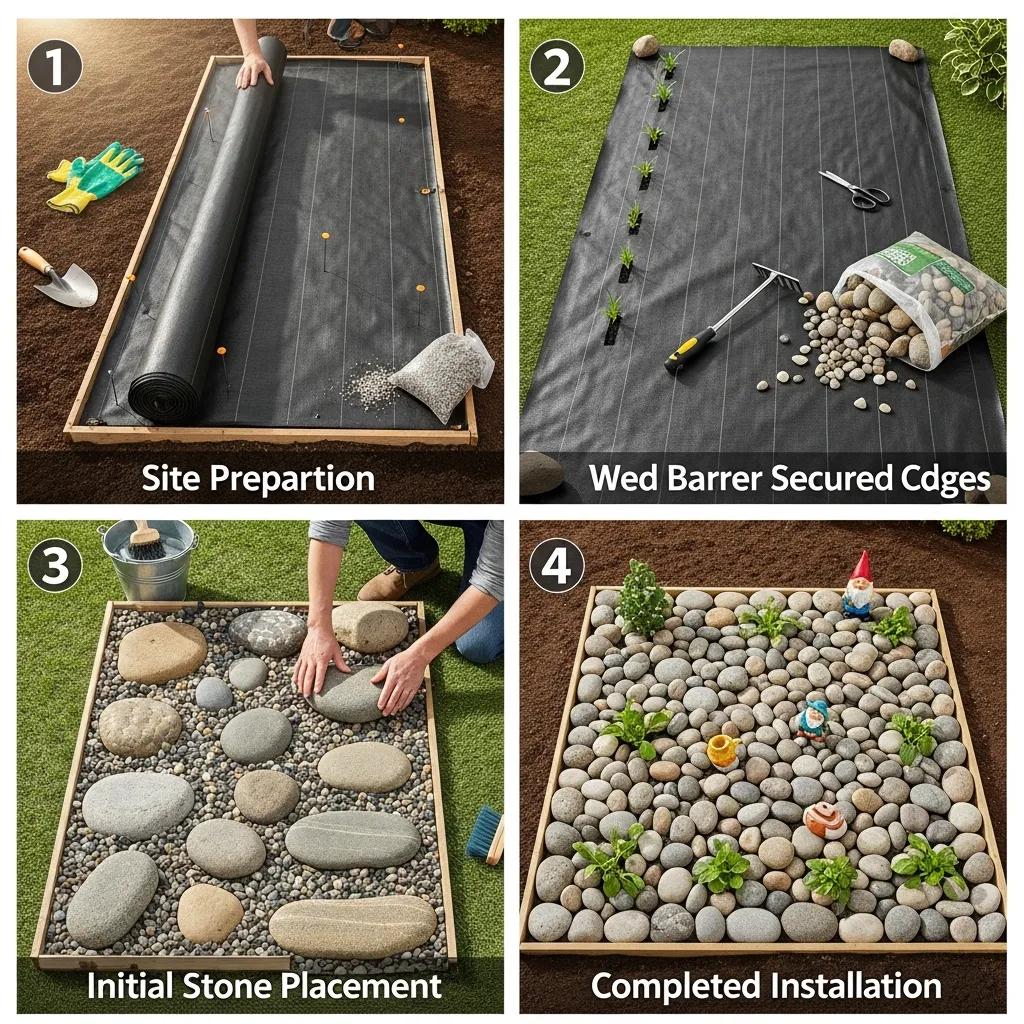
Good planning and proper installation are essential. Follow these best practices:
- Site Preparation: Clear the area of debris and ensure the ground is level. This step is essential for proper drainage and stability.
- Choosing the Right Materials: Select stones that complement your design and are suitable for the intended use. Consider factors like size, color, and texture.
- Proper Placement: Arrange stones in a way that enhances the natural flow of your landscape. Use larger stones as focal points and smaller stones to fill in spaces.
Follow these steps to create a landscape that looks good and works well.
Think through practical logistics during planning: access for delivery trucks, the need for heavy equipment to place large boulders, and whether edging or borders are required to keep loose material contained. Establish clear grades so water flows away from foundations, and plan for layering — a stable base, geotextile when needed, compacted subbase or sand, then the decorative layer. Good installation reduces future maintenance and prevents settling or migration of materials.
What Are the Step-by-Step Installation Tips for Decorative Rock?
Install decorative rock with care. Key steps include:
- Measure and Mark the Border: Define the area where the rock will be placed. Use stakes and string to outline the shape.
- Install a Weed Barrier: Lay down a weed barrier fabric to prevent unwanted growth beneath the rocks.
- Spread and Level the Crushed Rock: Pour the crushed rock into the designated area and use a rake to level it evenly.
These steps help produce a professional-looking installation that improves your landscape.
Additional tips: compact each layer as you work, check slopes frequently with a level to ensure proper drainage, and use edging materials such as steel, plastic, or natural stone to keep loose stone from spilling into lawns or beds. For pathways and high-traffic zones, consider a compacted subbase and an inert stabilizer if mobility and firm surface are priorities. Finish with a clean sweep or light compaction to set the top layer in place.
How to Maintain and Care for Your Decorative Stone Features?
Regular care keeps stone features in good shape. Try these maintenance tips:
- Regular Cleaning: Remove debris and dirt from the stones to keep them looking fresh. A simple rinse with water can often suffice.
- Weed Control: Check for weeds that may grow through the stones and remove them promptly to maintain a tidy appearance.
- Inspect for Damage: Regularly check for any shifting or damage to the stones and address issues as they arise.
Simple, regular maintenance preserves both the look and function of your stone features.
Seasonal checks are valuable: after heavy rains, inspect drainage and re-level areas if stones have shifted. Remove accumulated leaf litter promptly to prevent staining or organic buildup that encourages moss. For algae or moss on river rock in shaded, wet spots, a gentle scrub with water and a stiff brush can refresh the surface; avoid harsh chemical cleaners that could harm surrounding plants. Topping up high-use areas with a thin layer of fresh material every few years keeps surfaces even and attractive.
How Does Decorative Stone Delivery Work with Northwest Landscape Supply?
Ordering and delivery are straightforward with Northwest Landscape Supply. The process typically includes:
- Order Placement: You can easily place orders through our website or by contacting our store directly.
- Reliable Delivery Services: We ensure timely delivery to the specified location, making the process hassle-free.
- Pickup Options Available: For those who prefer to collect their materials, pickup options are also available at our Lynnwood, WA location.
This simple process makes it easy for homeowners to access quality decorative stone.
Before delivery, confirm estimated arrival windows and any staging instructions so you have crew or vehicles on site if you plan to move material immediately. If you need help estimating quantities or planning access, reach out to us for guidance — we often provide advice on ordering and staging to match your project timeline.
What Are Typical Costs and Scheduling Options for Rock Delivery?
Know the costs before you buy. Typical prices for crushed rock vary depending on quantity and delivery specifics. Scheduling is flexible so you can pick a delivery time that fits your needs.
- Cost Range: Expect competitive pricing that reflects material type, delivery distance, and order size.
- Flexible Scheduling: Delivery can be arranged at your convenience, ensuring that you receive your materials when needed.
Knowing price and scheduling details helps you budget and plan the project.
Costs may vary with the type of material, delivery distance, minimum order quantities, and whether you require special handling or placement services. Ask us about any additional fees for difficult drops, small loads, or off-hours deliveries. If you have a larger project, inquire about bulk pricing or discounts that reduce per-unit cost. Confirm accepted payment methods and cancellation policies when you place the order.
How Can Decorative Rock Enhance Your Landscape Design and Functionality?
Decorative rock delivers practical and visual benefits. Key advantages include:
- Aesthetic Appeal: Decorative rock adds visual interest and can complement various design styles.
- Durability and Stability: Rocks provide a stable foundation for pathways and other structures, ensuring longevity.
- Low Maintenance: Once installed, decorative rock requires minimal upkeep compared to traditional landscaping materials.
Those benefits explain why many homeowners choose decorative rock.
Use rock to create contrast with softscaping, guide foot traffic without fencing, and emphasize architectural lines. In combination with native plants it can reduce irrigation needs and help achieve a more sustainable yard. Thoughtful placement also reduces erosion on slopes and helps channel water into landscaped swales or drainage inlets when designed correctly.
What Are Creative Garden Rock Ideas for Homeowners and DIY Enthusiasts?
Use rocks to add character and low-maintenance style. Try these ideas:
- Miniature Rock Gardens: Create small rock gardens with a variety of plants and stones for a charming focal point.
- Desert-Inspired Rock Gardens: Use drought-resistant plants and decorative gravel to design a low-maintenance desert garden.
- Zen Rock Gardens: Incorporate raked gravel and strategically placed stones to create a peaceful Zen garden.
These concepts can spark projects that match your personal taste.
Other ideas include combining rock with poured concrete or stepping stones to define a modern patio, using river rock to edge rain gardens, or placing boulders to create natural seating. Layer textures and colors for visual interest, and consider seasonal plantings that reveal and conceal hardscape elements through the year.
How Do Landscape Boulders Define Garden Borders and Outdoor Spaces?
Boulders help shape outdoor spaces and add texture. They work well to:
- Creating Visual Interest: Boulders add texture and dimension to landscapes, enhancing overall aesthetics.
- Defining Boundaries: Use boulders to mark the edges of garden beds or pathways, providing clear separation.
- Adding Character: The natural appearance of boulders can complement various design themes, from rustic to modern.
Adding boulders can lift the look and flow of your garden.
Placement is key: situate boulders on stable ground and consider how shadows and sightlines change through seasons. Grouping stones in odd numbers often reads as more natural, and partially burying boulders gives a sense of permanence. If a boulder will support planting or seating, ensure it is stable and, if necessary, set on a compacted base or anchored to prevent movement.
What Are the Sustainable and Environmental Benefits of Using Decorative Rock?
Decorative rock can support sustainable landscaping. Benefits include:
- Permeable Surfaces: Decorative rock allows for better water drainage, reducing runoff and promoting groundwater recharge.
- Resource Conservation: Rocks are a natural resource that requires minimal processing compared to other materials.
- Reduced Water Usage: Decorative rock reduces the need for irrigation, making it an eco-friendly choice for drought-prone areas.
These points show the environmental upside of using decorative rock.
To maximize environmental benefits, combine rock with native plantings, swales, or rain gardens that capture and direct runoff. Avoid covering large areas with impermeable materials; instead, use gravel and permeable designs near planting areas to support healthy soil and reduce stormwater strain. Local sourcing further reduces transport impacts and supports regional supply chains.
Why Is Decorative Rock Ideal for Drought-Prone Seattle, WA Gardens?
Decorative rock fits drought-prone gardens because it:
- Excellent Drainage Properties: Rocks facilitate water drainage, preventing pooling and promoting healthy plant growth.
- Minimal Maintenance: Once installed, decorative rock requires little upkeep, making it ideal for busy homeowners.
- Durability: Rocks withstand harsh weather conditions, ensuring longevity in your landscape.
Those traits make decorative rock a practical choice for sustainable gardening in Seattle, WA.
Pair rock with mulches and native, drought-tolerant plants to create layered planting schemes that conserve water while still offering seasonal color. Properly designed rock features can reduce irrigation demand while maintaining structure and visual appeal throughout summer dry spells.
How Does Local Sourcing Support Eco-Friendly Landscaping?
Sourcing rock locally helps reduce transport emissions and supports the local economy. It also often means access to materials suited to the regional climate.
- Reduced Transportation Emissions: Sourcing materials locally minimizes the carbon footprint associated with transportation.
- Support for Local Economy: Purchasing from local suppliers helps sustain the community and promotes economic growth.
- Access to Quality Materials: Local suppliers often provide high-quality materials that are well-suited for the regional climate.
Choosing locally sourced decorative rock lets homeowners support sustainability and local businesses.
Ask us about the origin of our materials and about options that use recycled or reclaimed stone where appropriate. We can also offer practical installation advice based on projects we have supplied in the same microclimate or neighborhood.
Where to Find Quality Decorative Rock and Stone Products in Seattle, WA
At Northwest Landscape Supply, we stock a wide selection of decorative rocks, including:
- Crushed rock
- River rock
- Decorative gravel
Our inventory makes it easier to find the right materials for your project.
Visiting our yard or showroom lets you assess color, texture, and size firsthand and often provides the opportunity to speak with our knowledgeable staff about best practices for installation in local conditions. We maintain sample areas and project galleries to help you visualize materials in situ.
What Makes Northwest Landscape Supply a Trusted Local Provider?
Customers trust Northwest Landscape Supply for several reasons, such as product quality, helpful staff, and dependable delivery.
- High-Quality Products: We offer a range of premium materials that meet the needs of various landscaping projects.
- Expert Advice: Our knowledgeable staff can provide guidance on product selection and installation techniques.
- Reliable Delivery Services: Customers can count on timely delivery and excellent service throughout the purchasing process.
To explore options, consider visiting Northwest Landscape Supply Everett, WA, where you can find materials for your projects.
Reputation matters with landscaping materials: quality, consistency, and helpful customer service reduce the risk of ordering the wrong color or size and improve overall project outcomes. If possible, ask us for references or project photos to confirm that our offerings match your expectations.
How to Compare Product Selection and Pricing Among Local Competitors?
Compare suppliers by researching reviews and checking prices for similar products. That helps you find the best value.
- Researching Local Suppliers: Look for reviews and testimonials to gauge the quality of products and services offered.
- Understanding Pricing Structures: Compare prices for similar products to ensure you are getting the best value for your investment.
Doing this research helps you choose the right place to buy your landscaping materials.
When comparing providers, consider total cost including delivery, handling, and any necessary accessories like edging or geotextile fabric. Confirm return policies, minimum order sizes, and whether the supplier can provide on-site delivery assistance or placement for large items like boulders.
Which Decorative Rocks Are Best for Different Landscaping Needs?
Match rock type to the task. These common choices work well:
- Crushed Granite for Walkways: Its durability and compact nature make it ideal for pathways.
- Pea Gravel for Garden Beds: This small, smooth stone is perfect for filling in garden beds and providing drainage.
- River Stones for Aesthetic Appeal: Use river stones in water features or as decorative accents in gardens.
These recommendations help you pick the right material for each use.
For edging and retaining, consider larger crushed stone or angular rock that interlocks better for stability. For accent features, polished or tumbled stone can enhance a modern landscape, while rough, natural stone often better suits rustic or woodland-themed yards. Match the stone choice to both function and the character of your home.
How to Schedule and Prepare for Decorative Stone Delivery?
Prepare for delivery by choosing products, contacting us, and clearing the drop area. These steps make delivery simple:
- Product Selection: Choose the type and quantity of stone you need for your project.
- Contact for Guidance: Reach out to Northwest Landscape Supply for assistance in placing your order and scheduling delivery.
- Prepare Delivery Area: Ensure the area where the stones will be placed is clear and accessible for delivery.
Following these steps helps ensure a smooth delivery.
On delivery day, have tools and a small crew ready if you plan to spread material immediately. For larger projects, confirm that the delivery driver knows the precise drop spot and that any required permits or private property access arrangements are in place if heavy equipment needs to enter the site.
How to Maximize Your Landscaping Project with Expert Tips and Customer Experiences
Use expert tips and real projects to guide your plan. Focus on scope, materials, and professional advice:
- Determine Project Scope: Clearly define what you want to achieve with your landscaping project.
- Choose Quality Materials: Invest in high-quality decorative rock and stone to ensure durability and aesthetic appeal.
- Consult Professionals: Seek advice from landscaping experts to optimize your design and installation process.
These steps can improve the outcome of your landscaping efforts.
Collect photos of spaces you like, create a simple plan that identifies functional zones, and discuss install sequencing with your supplier or contractor so that materials arrive in the right order. Learning from other customers’ projects — what worked well and what required adjustments — can save time and money while producing a more polished final result.
What Do Seattle, WA Customers Say About Their Decorative Rock Projects?
Seattle, WA customers often report satisfaction with both the look and functionality that decorative rock adds to their yards.
- Positive Feedback: Customers appreciate the aesthetic improvements and functionality that decorative rock brings to their outdoor spaces.
- Project Satisfaction: Many homeowners express satisfaction with the quality of materials and the ease of installation.
These testimonials show how decorative rock can positively impact landscape design.
Common praises include reduced time spent on lawn care, improved drainage in soggy yards, and the ability to create distinct outdoor rooms without extensive hardscaping. When customers note issues, they are most often related to installation details — reinforcing the value of proper planning and professional guidance.
How to Incorporate Case Studies and Industry Trends into Your Design?
Study successful projects and follow trends to inform your design choices. That keeps your landscape fresh and relevant.
- Research Successful Projects: Look for case studies that showcase innovative uses of decorative rock in landscaping.
- Stay Updated on Trends: Follow industry publications and websites to learn about the latest trends in landscape design.
Applying these insights helps homeowners create modern, appealing outdoor spaces.
When adapting ideas from case studies, tailor them to your site’s scale, microclimate, and existing vegetation. What looks great in a large, sunny yard might need modification for a smaller, shaded Seattle, WA lot. Use trends as inspiration but prioritize durable, site-appropriate solutions to avoid frequent replacements or rework.
For more ideas, check out home decor options to enhance your landscape.
Ready to Transform Your Outdoor Space?
At Northwest Landscape Supply, we’re here to help you select the perfect decorative rock and stone for your Seattle, WA landscape. Explore our wide selection, get expert advice, and schedule your delivery today to start enhancing your yard with durable, beautiful materials.