

Unlock Your Garden's Potential: A Complete Guide to Home Soil pH and Nutrient Testing
A truly vibrant garden starts with healthy soil. Understanding your soil’s pH and nutrient makeup is key to cultivating robust, flourishing plants. Testing your soil right at home empowers you to make smart choices about adding lime, sulphur, compost, and fertilizers, specifically tailored for the Pacific Northwest’s unique clay-rich and often acidic conditions. This guide will walk you through why soil analysis is so crucial, simple DIY pH tests, how to pick and use home testing kits, deciphering your results, fixing nutrient gaps, exploring professional lab options in the Lynnwood/Edmonds area, and how precise testing forms the bedrock of sustainable gardening. With practical advice and the expert backing of Northwest Landscape Supply, you’ll be well on your way to creating nutrient-balanced soil that fuels vigorous roots and stunning landscapes.
Why Should You Test Your Garden Soil at Home?
Soil testing is the cornerstone of smart garden management. It reveals your soil’s pH, nutrient balance, and organic matter content – all critical factors for plant vitality. Regular testing helps you avoid wasting fertilizer, improves water retention, and prevents nutrient runoff, saving you time and money while being kind to the environment. Whether you’re a home gardener or a professional landscaper, testing each season or before planting major crops ensures your plants get precisely what they need. When soil conditions fall outside the ideal range, plants can suffer from stunted growth or become more vulnerable to pests, making timely pH adjustments and nutrient corrections essential for bountiful yields and beautiful landscapes.
What Are the Benefits of Soil Analysis for Your Garden?
Soil analysis precisely identifies acidity or alkalinity, allowing for accurate lime or sulphur applications to maintain a pH between 6.0 and 7.0, which is ideal for most vegetables and flowers. Knowing your nitrogen, phosphorus, and potassium levels guides your fertilizer choices to promote better blooms, denser foliage, and stronger root systems. Measuring organic matter content helps you decide how much compost to add, enhancing soil structure and boosting beneficial microbial activity. Together, these insights eliminate guesswork, reduce input costs, and make your plants more resilient to drought, disease, and seasonal stress.
How Often Should You Test Your Garden Soil?
How often you test depends on how intensively you’re growing and what you’ve added to your soil. For vegetable gardens and high-traffic lawns, testing twice a year – once in early spring and again in mid-autumn – is recommended to keep pH and nutrients in check. Established ornamental beds and areas with less demanding perennials can benefit from an annual test to monitor gradual changes. After making significant soil amendments, a follow-up test about six months later will confirm if your treatments were successful and prevent over-correction, which can lead to nutrient lock-up or deficiencies in micronutrients.
When Is Professional Soil Testing Recommended Over DIY?
While DIY kits offer a quick look at pH, professional lab testing provides a comprehensive nutrient panel, detailed organic matter percentage, and precise texture analysis with high accuracy. You should opt for lab services when planning major landscape installations, trying to diagnose persistent plant health issues, or if you have concerns about soil contamination. Professional reports often include customized recommendations that take into account the specific clay soils and rainfall patterns of the Pacific Northwest, complementing your own tests and guiding your long-term landscape strategies.
How Can You Perform DIY Soil pH Tests at Home?
DIY soil pH tests give you immediate insights using everyday items, helping you decide if commercial kits or lab analysis are the next step. Simple tests using vinegar and baking soda, or a red cabbage indicator, can reveal whether your soil is acidic, neutral, or alkaline without needing any special equipment. These methods are virtually free and can be repeated seasonally to track changes, ensuring your soil stays within the ideal pH range for your plants. Incorporating these DIY checks into your regular gardening routine allows for quick adjustments before any issues impact plant growth.
What Are the Best Household Methods to Test Soil pH?
Use vinegar and baking soda to get a general idea of your soil’s acidity: mix a teaspoon of soil with vinegar – if it fizzes, your soil is alkaline (above pH 7). For the opposite test, combine soil with distilled water and baking soda – if it fizzes, your soil is acidic (below pH 7). A red cabbage extract can also provide color-coded results: the purple liquid will turn red in acidic soil and greenish in alkaline conditions. Each of these methods helps you determine if your soil is acidic, neutral, or alkaline within minutes, guiding your decisions on whether to add lime or sulphur.
How Do You Interpret Soil pH Results from DIY Tests?
Acidic soils (pH 4.5–6.0) typically need ground limestone to raise the pH, which in turn improves nutrient availability and boosts beneficial microbial activity. Neutral soil (pH 6.5–7.0) is the sweet spot for most vegetables, ornamentals, and turfgrass. Alkaline conditions (pH 7.5–8.5) can be gradually corrected over months using elemental sulphur to lower the pH. Observing your plants for signs like yellowing leaf edges or poor flowering, alongside your DIY test results, can help confirm the accuracy of your tests and guide you on the specific amounts of amendments needed.
What Are Common Soil pH Issues in the Pacific Northwest?
The high rainfall common in areas like Lynnwood and Edmonds often leaches away basic cations, leading to naturally acidic soils. These soils can also be prone to aluminum toxicity and poor drainage, especially in clay-heavy sites. Persistent acidity can hinder phosphorus uptake, resulting in weak root systems and pale foliage. On the flip side, imported fill or raised beds constructed with alkaline materials can sometimes raise the pH, causing iron chlorosis (yellowing) in plants that prefer acidic conditions. Understanding these regional tendencies helps gardeners choose the right corrective measures for healthy, sustainable landscapes.
What Are the Best Home Soil Test Kits for Nutrient and pH Testing?
Home soil test kits range from simple color-comparison strips to sophisticated digital meters, all designed to measure pH and key macronutrients. Chemical kits usually come with reagent drops for NPK analysis and pH indicator solutions. Digital meters offer instant pH readings but typically provide less information on nutrient levels. Comprehensive kits combine both approaches, giving you detailed insights into nitrogen, phosphorus, potassium, and often estimating organic matter content. Choosing the right kit involves balancing cost, convenience, and the level of detail you need for your garden.
Which Types of Soil Test Kits Are Available for Home Use?
There are three main categories of kits available for home gardeners:
- Chemical drop-in kits that use color charts to quantify N, P, and K levels.
- Electronic pH and moisture meters that provide quick acidity readings.
- Multi-parameter kits that also include tests for organic content and secondary nutrients.
Each type caters to different needs, from quick pH checks to in-depth fertility profiles, and can be selected based on your garden’s size and the precision you require.
How Do You Collect and Prepare Soil Samples for Test Kits?
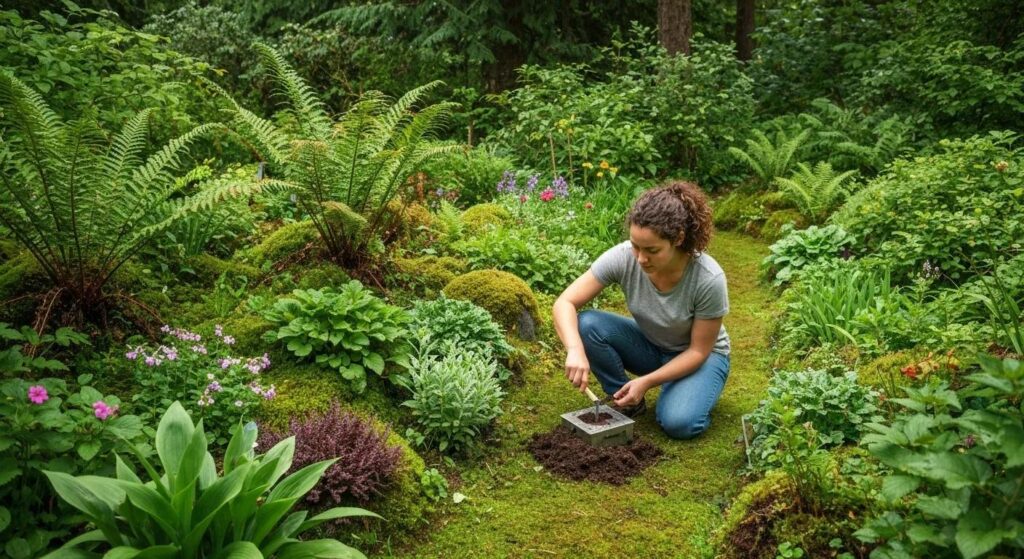
Accurate readings depend on proper sampling: collect 6–8 small samples from the top 15 cm (6 inches) of soil across the area you want to test, making sure to avoid compost piles or surface debris. Let the soil air-dry in a clean container, then sift it through a nylon screen to remove any roots or stones. Mix the dried soil thoroughly before using the kit’s sample scoop to ensure consistent testing. Careful preparation is the key to reliable pH and nutrient results, enabling precise amendment planning.
What Nutrients and Properties Do Home Soil Test Kits Measure?
Most home kits are designed to assess:
- Nitrogen (N) for healthy leaf growth and chlorophyll production
- Phosphorus (P) for strong root development and abundant flowering
- Potassium (K) for improved drought tolerance and disease resistance
- Soil pH, which affects nutrient availability and microbial activity
- Organic matter estimates, often included in more advanced multi-parameter kits
Understanding these properties is essential for organic fertilizers and sustainable soil management practices.
How Do You Interpret Your Soil Test Results Accurately?
Turning raw data into effective soil amendments hinges on accurate interpretation. Soil pH values tell you which nutrients are readily available to your plants and which might be locked up, guiding your decisions on adding lime or sulphur. NPK numbers highlight specific nutrient deficiencies – low nitrogen might mean you need a high-nitrogen fertilizer, while low phosphorus suggests adding bone meal or rock phosphate. Understanding your organic matter percentage and soil texture helps you gauge water-holding capacity and aeration needs. Together, these insights allow you to create a comprehensive amendment plan that optimizes plant performance.
What Do Soil pH Values Mean for Your Garden?
A pH of 4.5–5.5 (strongly acidic) can hinder root growth and suppress beneficial microbes, indicating a need for significant lime additions. A pH of 6.0–6.8 (slightly acidic to neutral) is ideal for optimal nutrient uptake in most vegetables and ornamentals. A pH of 7.2–8.0 (neutral to slightly alkaline) might require small applications of elemental sulphur to improve the availability of micronutrients. Matching your plants to their preferred pH zones will significantly enhance their growth and reduce their susceptibility to pests.
How to Understand Nutrient Levels: Nitrogen, Phosphorus, Potassium Explained
Nitrogen (N) is crucial for lush foliage and chlorophyll production; a deficiency often shows as a uniform yellowing of older leaves. Phosphorus (P) supports root establishment and flower set; low P levels can result in stunted growth and purplish stems. Potassium (K) strengthens cell walls and boosts disease resistance; insufficient amounts may lead to browning leaf edges and weak stems. Address each deficiency with targeted fertilizers – blood meal for N, bone meal for P, and potassium sulfate for K – to restore balance to your soil.
What Is the Role of Organic Matter and Soil Texture in Soil Health?
Organic matter is a powerhouse for soil health. It fuels microbial activity, improves soil structure, and enhances water retention in sandy soils while promoting better drainage in heavy clay. Soil texture – the mix of sand, silt, and clay particles – influences aeration and how well the soil holds nutrients. A simple jar test can give you a visual estimate of these fractions, while lab reports showing your organic matter percentage will guide how much compost to add. Achieving a good balance of texture and organic content results in crumbly, friable soil that’s perfect for root penetration and moisture regulation.
How Can You Amend Your Soil Based on Test Results?
Targeted amendments are the key to transforming your soil test results into a healthier growing medium. Lime is used to raise pH in acidic soils, while elemental sulphur is applied to gently lower pH in alkaline conditions. If your soil is low in nitrogen, granular or liquid high-nitrogen fertilizers will quickly restore vigorous leaf growth. Deficiencies in phosphorus and potassium can be addressed with bone meal or potash, respectively. Improving organic matter with compost or aged mulch enhances soil structure, boosts microbial diversity, and supports long-term nutrient cycling. A systematic amendment plan leads to sustained soil improvement and robust plant growth.
How Do You Adjust Soil pH with Lime or Sulphur?
Agricultural lime (calcium carbonate) works to neutralize acidity by swapping hydrogen ions for calcium, gradually raising the soil pH over several months. Elemental sulphur, on the other hand, is converted into sulphuric acid by soil bacteria, which slowly lowers the pH in alkaline soils. The amount you need to apply depends on your starting pH and soil texture – clay soils require more amendment than sandy soils to achieve the same pH shift. Regular follow-up tests are essential to monitor your garden with fresh topsoil and prevent over-application.
What Fertilisers and Nutrients Should You Add for Deficiencies?
To correct nitrogen shortages and encourage leaf growth, use high-nitrogen fertilizers like blood meal or urea. For phosphorus, apply bone meal or rock phosphate to promote root development and better flowering. Potassium deficiencies can be remedied with potassium sulfate or wood ash to improve drought tolerance and disease resistance. If your tests indicate specific trace element gaps, you can supplement with chelated formulations for micronutrients like iron, magnesium, or zinc.
How to Improve Soil Structure Using Compost and Organic Matter?
Incorporating well-aged compost significantly improves soil porosity, drainage, and its ability to hold moisture. Organic matter also feeds beneficial bacteria and fungi, which help bind soil particles together into stable aggregates. This reduces compaction in clay soils and improves water drainage in sandy soils. Aiming for an organic matter content of 5–10% – roughly 3–4 cm (1.5 inches) of compost tilled into the top 15 cm (6 inches) of soil – creates a resilient growing medium that supports healthy root networks and efficient nutrient cycling throughout the year.
What Professional Soil Testing Services Are Available in the Pacific Northwest?
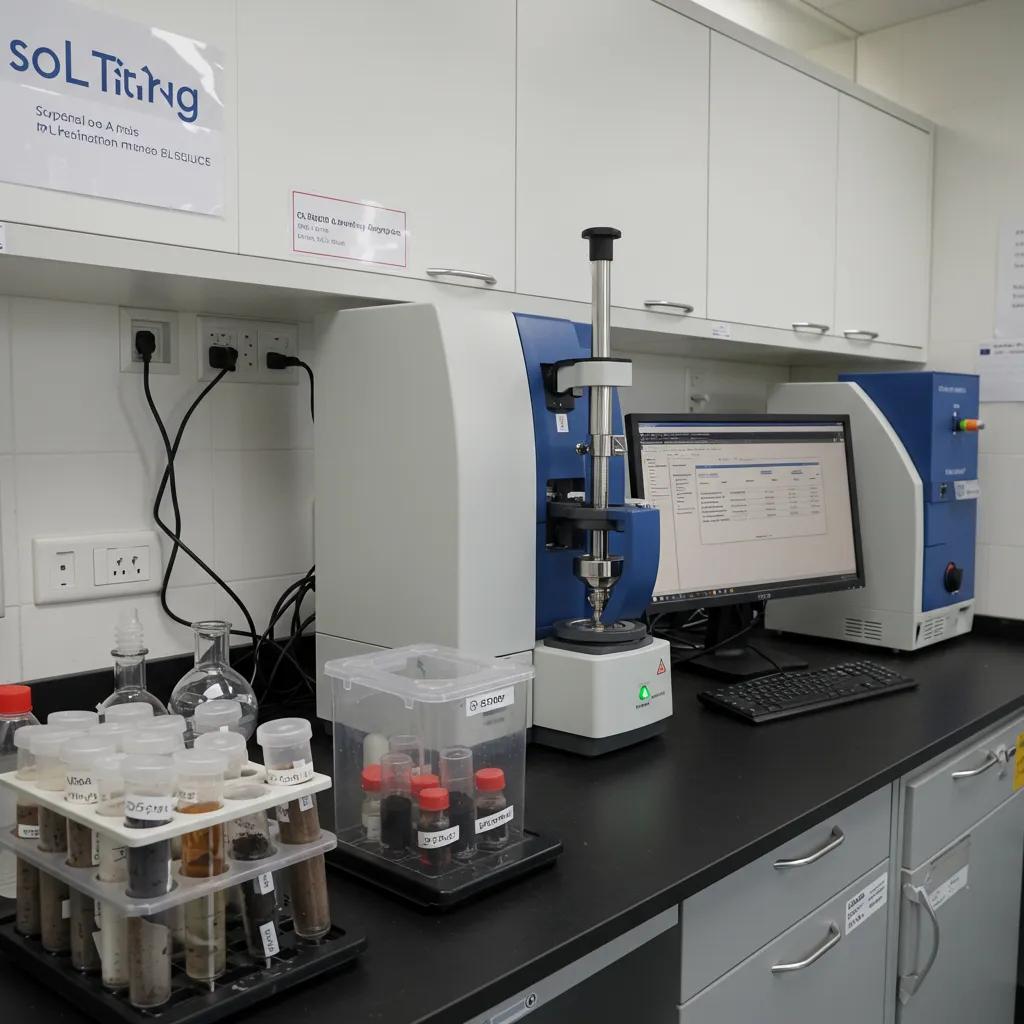
Professional testing services in Lynnwood and Edmonds offer detailed soil profiles that go beyond what home kits can provide. These services include analysis of micronutrient levels, organic carbon, cation exchange capacity, and soil texture. Accredited labs use standardized methods to ensure high precision, offering valuable insights for complex landscape installations, large vegetable gardens, or commercial turf management. Partnering with a local supplier like Northwest Landscape Supply adds convenience, offering sample drop-off, expert interpretation, and streamlined access to the right amendment products all in one place.
When Should You Choose Professional Lab Soil Testing?
You should opt for lab analysis when you’re dealing with unexplained plant problems, planning large-scale landscaping projects, or if you have legal requirements for contamination testing. Certified labs can measure a much wider range of nutrients, detect heavy metals, and provide rigorous data on organic matter and soil texture. This level of detail is crucial for specialized crops, ensuring compliance for public gardens, and developing long-term soil health strategies that simply aren’t achievable with DIY methods.
What Does a Professional Soil Test Report Include?
A comprehensive lab report will detail your soil’s pH, macronutrients (N, P, K), secondary elements (calcium, magnesium, sulphur), micronutrients (iron, manganese, zinc), organic matter percentage, texture classification, and cation exchange capacity. Often, these reports include crop-specific recommendations and precise amendment rates, clearly stating how much lime, compost, or fertilizer to apply. Detailed commentary helps gardeners translate complex data into practical, actionable steps.
How Does Northwest Landscape Supply Facilitate Soil Testing Services?
Northwest Landscape Supply works with local, trusted labs to coordinate soil testing for customers in Lynnwood and Edmonds. Simply pick up sample labels from their yard, drop off your prepared soil samples, and receive expert interpretation of your results along with recommendations for curated amendment products. Their knowledgeable team offers personalized guidance on lime, sulphur, compost, and fertilizers, streamlining the entire process from data collection to soil improvement and helping you achieve optimal garden results.
How Does Soil Testing Support Sustainable Gardening in the Pacific Northwest?
Accurate soil testing is fundamental to sustainable gardening practices. It prevents the overuse of fertilizers, reduces nutrient runoff into local waterways, and optimizes the use of resources. In the Pacific Northwest’s characteristically clay-rich and often acidic soils, tailored amendments – such as lime to correct acidity and compost to improve structure – help minimize erosion and enhance water retention. This data-driven approach to nutrient management not only saves money but also protects the environment, fostering healthier ecosystems in both home gardens and commercial landscapes.
What Are Typical Soil Challenges for PNW Gardeners?
The region’s high rainfall tends to leach away essential nutrients like calcium and magnesium, leading to acidic soils that can also become compacted, especially in clay subsoils. Seasonal waterlogging can deprive roots of oxygen, while decorative rock or sand-based garden beds can sometimes become overly alkaline over time. Recognizing these common patterns allows for precise interventions – using lime, gypsum, or organic matter – to correct pH levels and improve drainage.
How Does Soil Testing Help Optimize Fertiliser Use and Save Money?
Knowing the exact nutrient deficiencies in your soil prevents the wasteful practice of applying fertilizers broadly, which not only costs money but can also pollute waterways. Precise NPK data allows you to select specific products – like high-nitrogen blends or potassium sulfate – reducing the volume you need to purchase and the frequency of application. Over time, these savings add up, as healthier soils require fewer treatments and naturally sustain plant productivity.
How Can You Use Soil Test Results to Choose the Right Plants and Amendments?
Matching plant species to your existing soil conditions can eliminate the need for costly amendments. For instance, acid-loving rhododendrons will thrive in naturally acidic soils, while most vegetables perform best after lime has been applied to raise the pH. Your test results can guide plant selection for each specific garden bed and inform targeted amendment plans – using organic compost to improve structure, bone meal for better blooms, and balanced NPK blends for healthy foliage. This data-driven approach leads to lush, resilient gardens with a minimal environmental impact.